Latest Malaysia property update for 2026: transaction value may exceed RM250B, house prices forecast +2.5–5%, and where investors are focusing now.
Malaysia Property Market 2026 Update: RM250B Transactions, 2.5–5% Price Growth & Investor Hotspots
Published: 9 February 2026
Malaysia’s property market is entering 2026 with a clear theme: steady growth, selective price appreciation, and investor focus shifting toward proven locations and infrastructure-led corridors. Recent reports highlight stronger transaction momentum, a moderate house price forecast, and continued foreign interest in key pockets of the market.
1) Latest Headline: Malaysia Property Transactions May Exceed RM250 Billion in 2026
One of the most important signals for market confidence is transaction activity. Latest updates indicate Malaysia’s total property transaction value is expected to exceed RM250 billion in 2026, reflecting ongoing demand and stable market conditions rather than speculative spikes.
What this means for buyers & investors
- Liquidity remains healthy: more deals = easier entry/exit for investors.
- Demand is still present in the right pricing bands and locations.
- Serious buyers are active, especially in areas with strong accessibility and job nodes.
2) House Prices Forecast: 2.5%–5% Growth (Selective, Not Everywhere)
For 2026, analysts expect Malaysia house prices to rise moderately by around 2.5% to 5%. The key word is selective—stronger growth is typically seen in well-connected areas with stable demand, while weaker pockets may remain flat or take longer to recover.
Investor takeaway (simple rule)
- Buy the corridor, not the hype: prioritize access, population catchment, and business activity.
- Product quality matters more in 2026: functional layouts, parking, logistics flow, and usability win.
- Be realistic on returns: stable yields + gradual capital growth is the healthier pattern.
3) Market Momentum: Resilient Demand, But Buyers Are More Price-Sensitive
Recent market commentary suggests buying interest remains resilient and supported by ongoing development activity. At the same time, buyers are more price-sensitive—meaning correct pricing and strong value propositions are now the deciding factors.
What sellers should do in 2026
- Price within market reality (not peak-year expectations).
- Improve presentation: clean frontage, clear documentation, good photos, proper layout details.
- Offer clarity: land title, usage category, restrictions, utility capacity, and approvals.
4) Foreign Interest Still Matters — Especially Where Infrastructure Changes the Story
Even with a stronger ringgit, Malaysia continues to attract foreign investor attention, supported by relative affordability within the region and “story-driven” locations—especially where infrastructure and economic activity are improving.
Where this typically shows up
- Gateway states with cross-border activity and connectivity upgrades
- Prime commercial nodes with stable tenancy demand
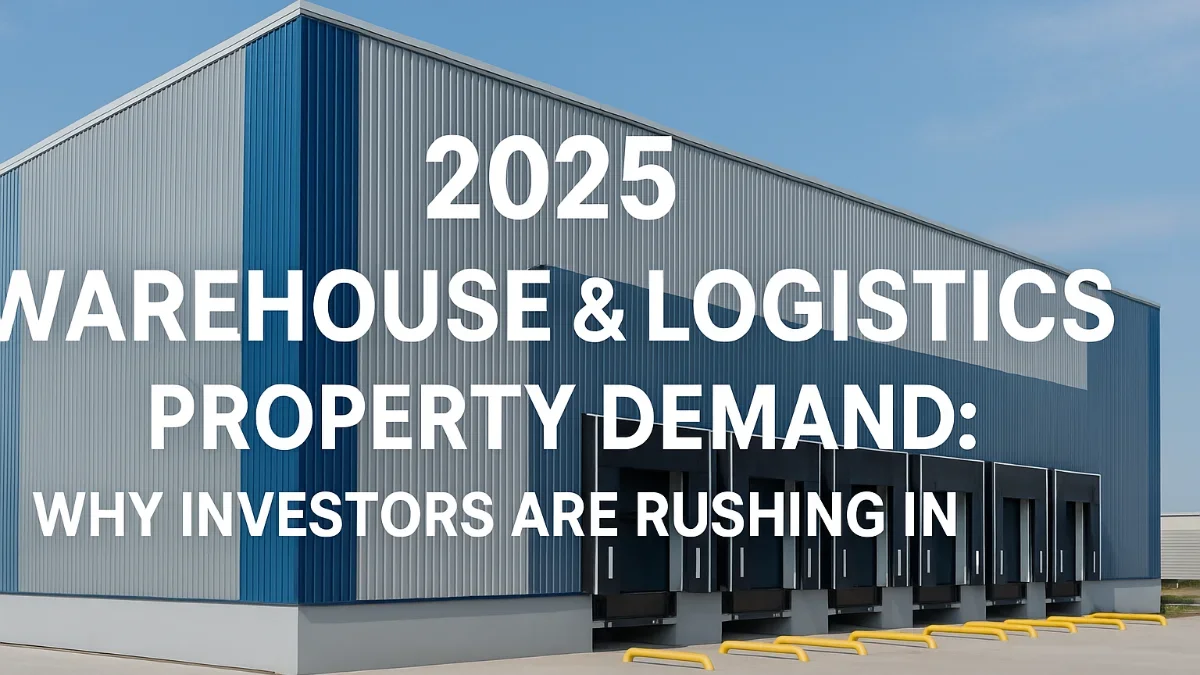
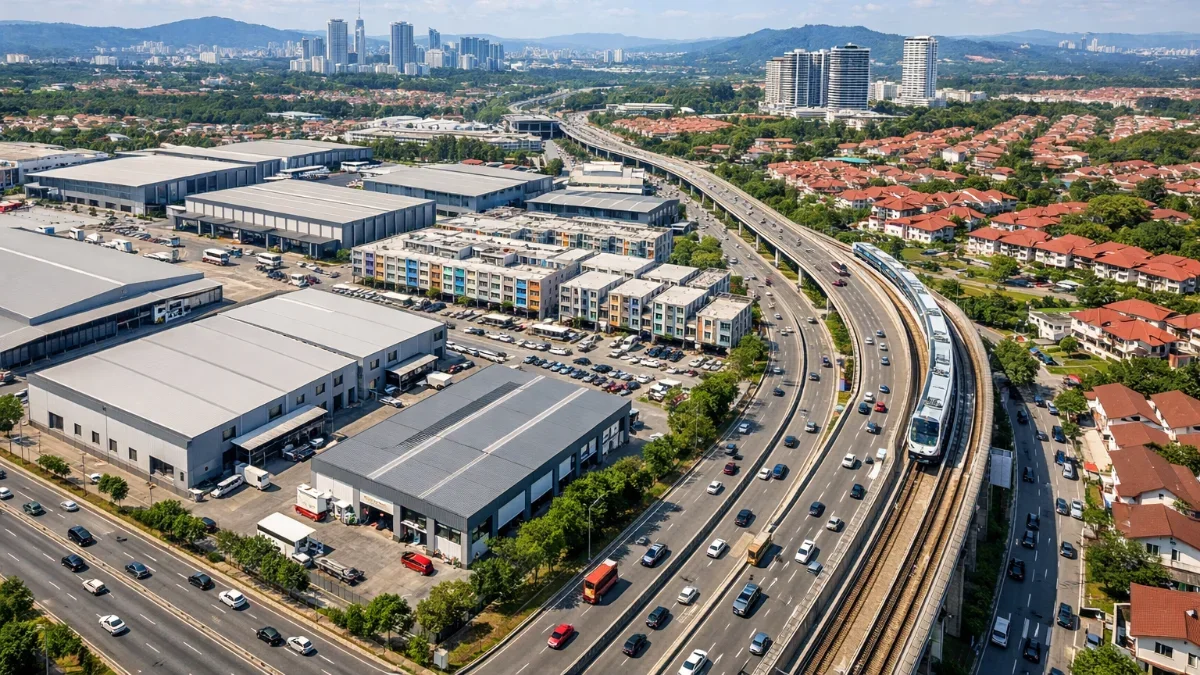
- Industrial & logistics corridors that benefit from supply chain expansion
5) Terra Group Practical Investor Checklist (2026 Edition)
If you’re buying industrial, commercial, or land in 2026, focus on fundamentals:
- Access: highway interchanges, port/airport connectivity, last-mile road width
- Utility readiness: electricity capacity, water supply, drainage, telecom/fiber
- Zoning & compliance: land use category, restrictions, authority requirements
- Tenantability: loading/unloading, turning radius, ceiling height, floor loading, parking
- Exit strategy: who is your next buyer (owner-occupier vs investor vs developer)
Start Your Search for Agricultural, Industrial, or Land Investment
- Explore Agricultural and Development Land for Sale
- Browse Industrial Properties in Rural Areas
- See Commercial Assets Supporting Agri-Supply Chains
Conclusion: 2026 Is a “Selective Winners” Market
Malaysia’s 2026 property market looks positive—but it’s not a blanket boom. The market is healthiest where access, infrastructure, and real demand meet the right product. For investors, this is a good year to build a position in strategic locations—while staying disciplined on pricing and fundamentals.