An in-depth analysis of Malaysia’s current industrial property market, including demand drivers, rental trends, land pricing, and investor opportunities in Selangor, Johor, and emerging corridors.
Malaysia Industrial Property Market 2026: Current Trends, Demand & Investment Outlook
The Malaysian industrial property market continues to show resilience in 2026, driven by logistics expansion, data centre growth, manufacturing diversification, and infrastructure upgrades. For investors and business owners, understanding the current market cycle is critical before acquiring factory space or industrial land.
1. Strong Demand from Logistics & E-Commerce
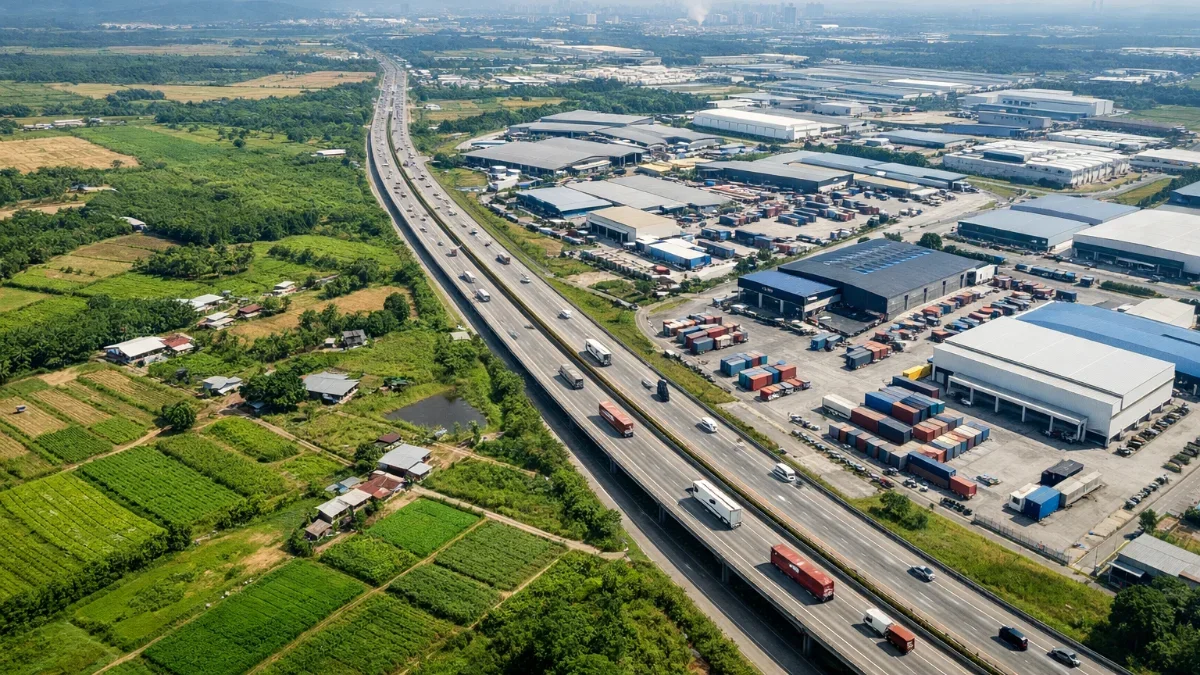
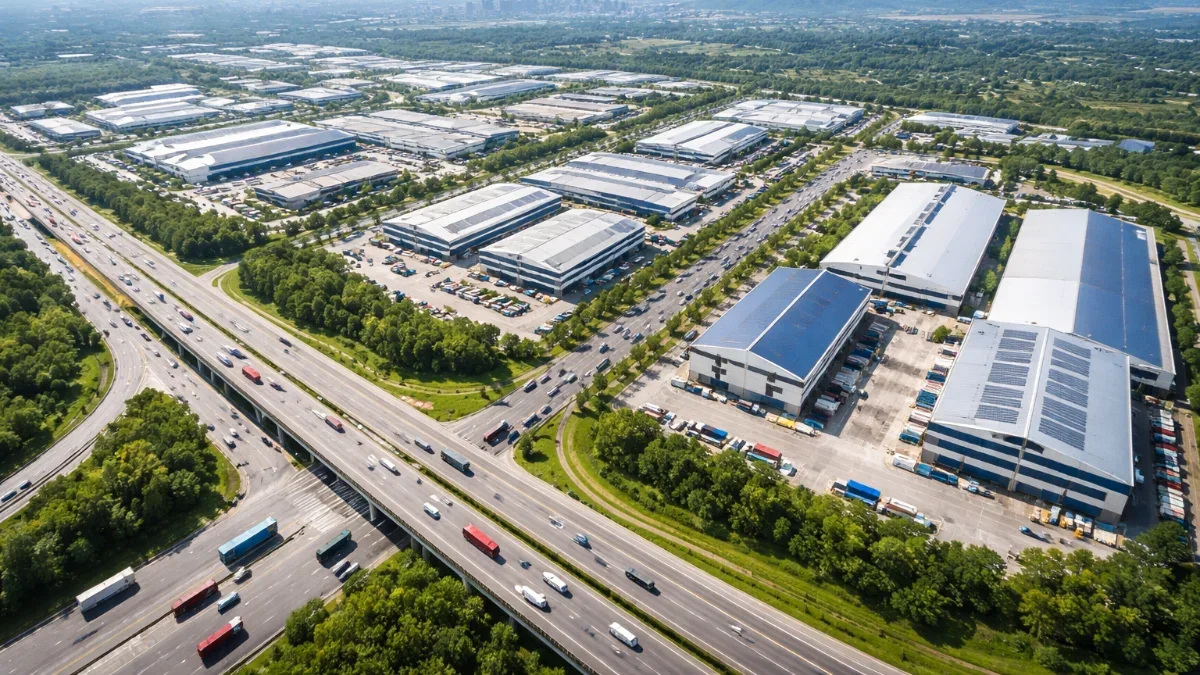
The growth of e-commerce and third-party logistics (3PL) operators continues to push demand for warehouses and distribution hubs. Locations with direct access to highways such as SKVE, ELITE, NKVE and WCE remain highly sought after.
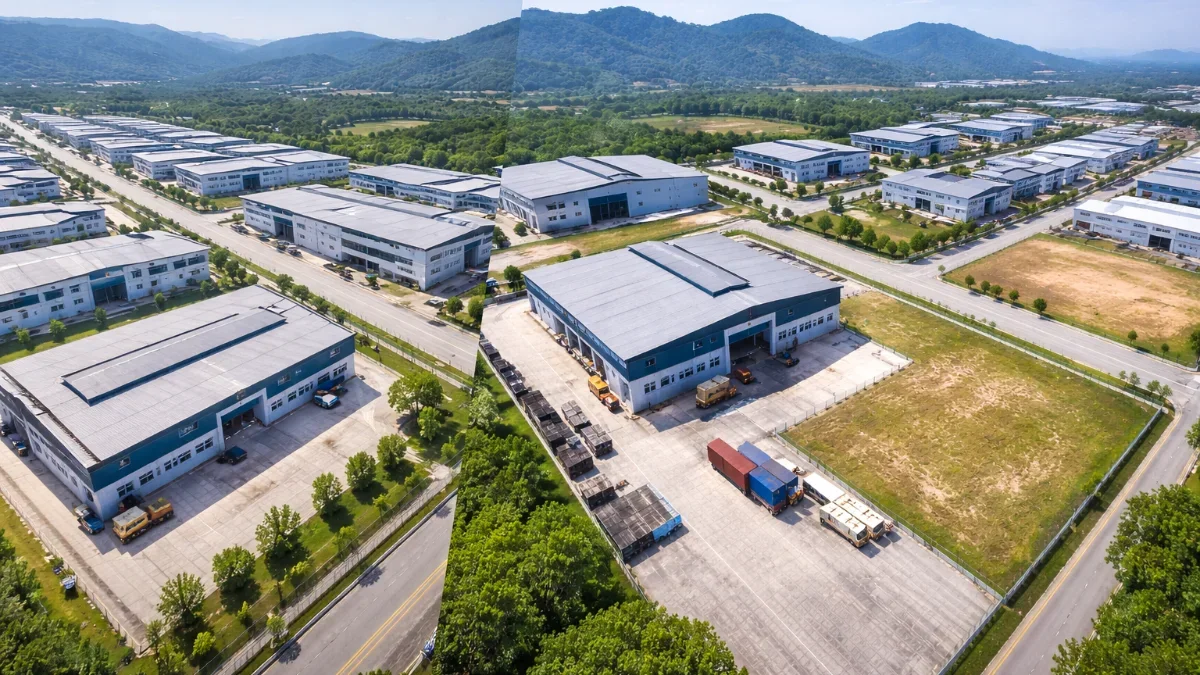
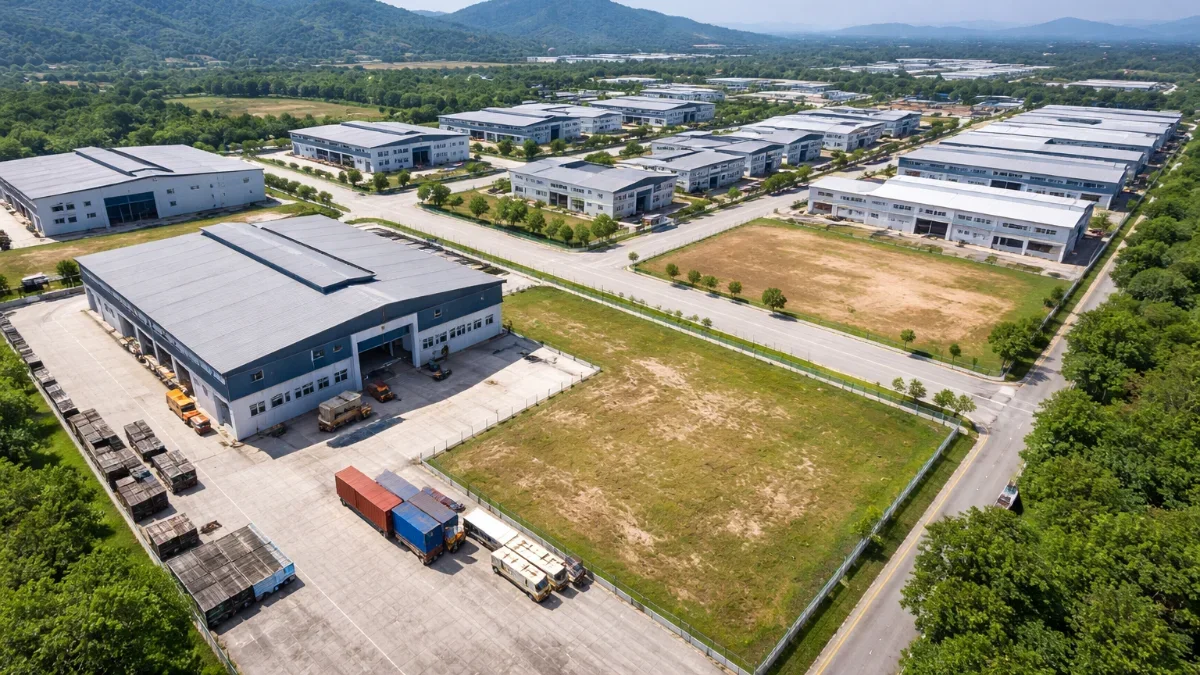
Detached factories and large land parcels with expansion potential are especially attractive to companies planning long-term operational scaling.
2. Data Centre & High-Tech Manufacturing Expansion
Malaysia has become a strategic hub for data centres and high-tech manufacturing. Areas in Selangor, Johor and Negeri Sembilan are seeing increasing land transactions for industrial conversion and energy-intensive facilities.
Industrial land with strong power supply infrastructure and proper zoning is now commanding premium pricing.
3. Rental & Capital Value Trends
- Rental rates for prime logistics warehouses remain firm.
- Freehold industrial assets continue to attract long-term investors.
- Leasehold factories with strong infrastructure still show good liquidity.
Compared to commercial or residential sectors, industrial properties often provide more stable yields due to long-term tenancy structures.
4. Land Banking & Expansion Strategy
Many high-net-worth investors are acquiring industrial land for future development. With infrastructure corridors expanding across Selangor and Johor, strategic land banking can provide significant capital appreciation over 5–10 years.
5. What Investors Should Watch in 2026
- Electricity capacity (TNB load & infrastructure readiness)
- Zoning compliance & development guidelines
- Highway accessibility & logistics cost efficiency
- Future industrial master planning in the area
Industrial property remains one of the most fundamentals-driven asset classes in Malaysia. Unlike speculative residential cycles, demand is closely tied to real economic activity.
Conclusion
The current Malaysian industrial market is supported by structural demand rather than short-term speculation. For investors seeking stable yield and capital growth, industrial factories and land remain strategic assets in 2026.