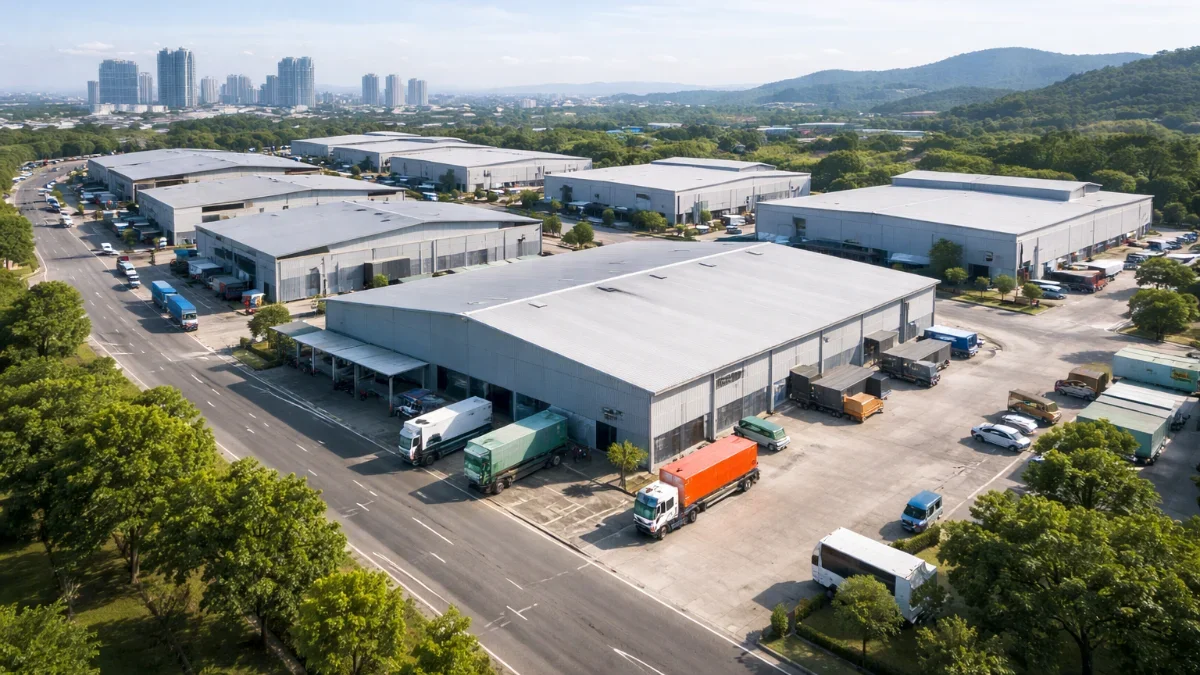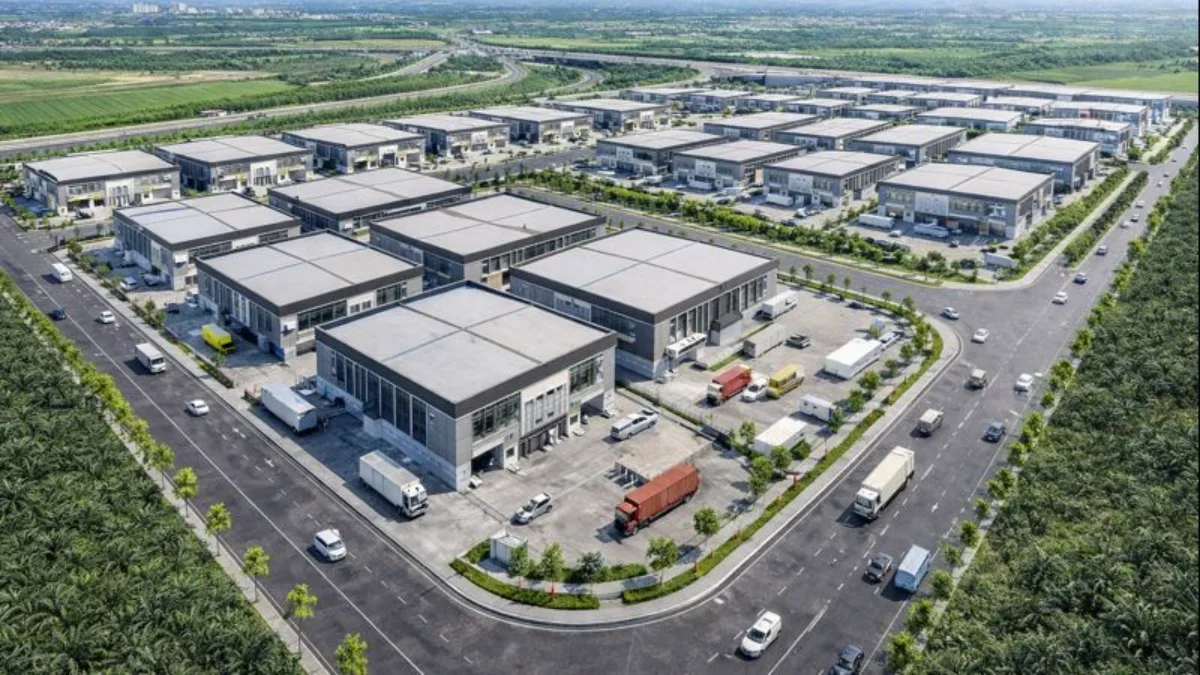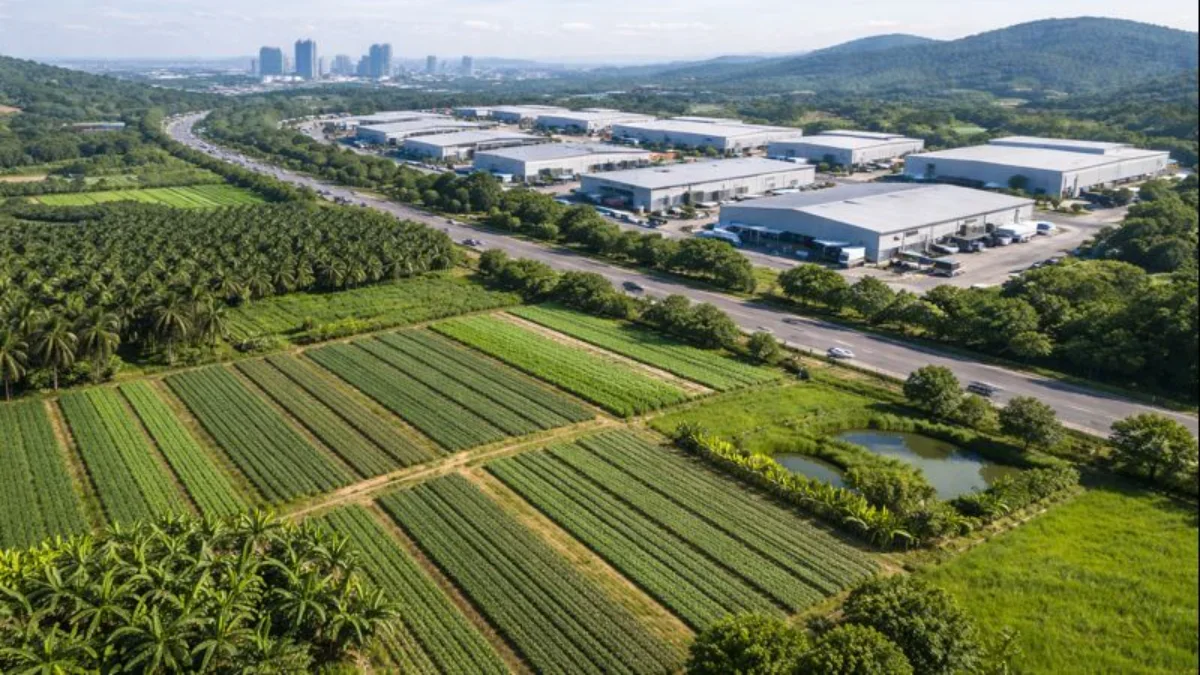
With the Malaysian Ringgit strengthening, many investors are rethinking land strategies. This article explains whether currency strength truly affects agricultural and industrial land investment decisions in Malaysia.
Unlike buildings, land is a long-term, fundamentals-driven asset. But when the Malaysian Ringgit (MYR) strengthens, investors often ask: does currency strength change how we should approach agricultural and industrial land investment?
The short answer: currency strength matters—but not in the same way it affects factories, offices, or shoplots.
How Currency Strength Interacts with Land Investment
Land investment is less sensitive to short-term currency movement because:
- Land has no immediate operating income
- Holding periods are typically long-term
- Value is driven by zoning, infrastructure, and future use
However, currency strength does influence timing, buyer composition, and development momentum.
Agricultural Land: Strategy in a Strong MYR Market
For agricultural land, a strong MYR can support:
- Lower cost of imported farming equipment and automation
- Improved viability for agro-processing and value-added farming
- Stronger interest in land near logistics and industrial corridors
Investors increasingly view agricultural land not just for yield, but for future conversion or agro-industrial integration.
Industrial Land: Stronger Confidence, Faster Decisions
Industrial land responds more visibly to currency strength. When MYR is stable or strengthening:
- Manufacturers plan capacity expansion with less FX risk
- Developers accelerate industrial park launches
- Land with industrial zoning sees higher absorption
This often leads to stronger demand for land parcels near highways, ports, and established industrial hubs.
Does Strong MYR Push Land Prices Up?
Not directly. Land prices are influenced more by:
- Infrastructure announcements
- Zoning approvals and land-use conversion
- Industrial spillover and tenant demand
However, a strong MYR supports economic activity, which indirectly strengthens land values over time.
Foreign Investors: Wait or Enter?
For foreign investors, stronger MYR may reduce short-term currency gains. But land buyers tend to be:
- Strategic (developers, operators)
- Long-term focused
- Less speculative
As a result, currency stability often matters more than currency weakness when committing to land.
Investor Strategy: What Should Change?
In a strong MYR environment, land investors should:
- Focus on future use, not short-term price movement
- Target land near industrial growth corridors
- Prioritise accessibility, zoning, and conversion potential
Conclusion
Currency strength alone should not drive agricultural or industrial land investment decisions. While a strong Ringgit improves confidence and planning visibility, land value is ultimately shaped by fundamentals—location, infrastructure, zoning, and long-term demand. Smart land investors use currency strength as a timing signal, not a primary decision factor.
Start Your Search for Agricultural, Industrial, or Land Investment
- Explore Agricultural and Development Land for Sale
- Browse Industrial Properties in Rural Areas
- See Commercial Assets Supporting Agri-Supply Chains